
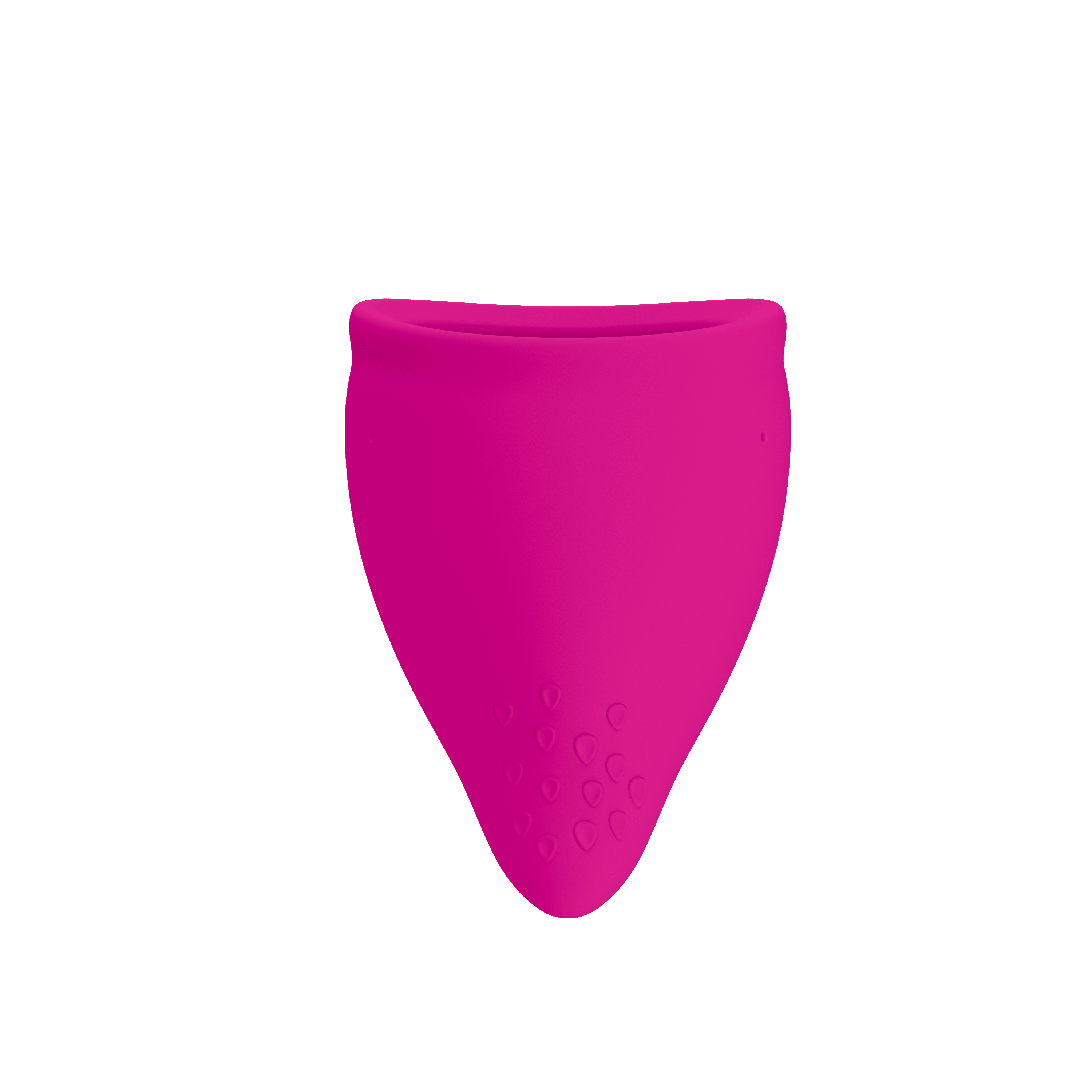
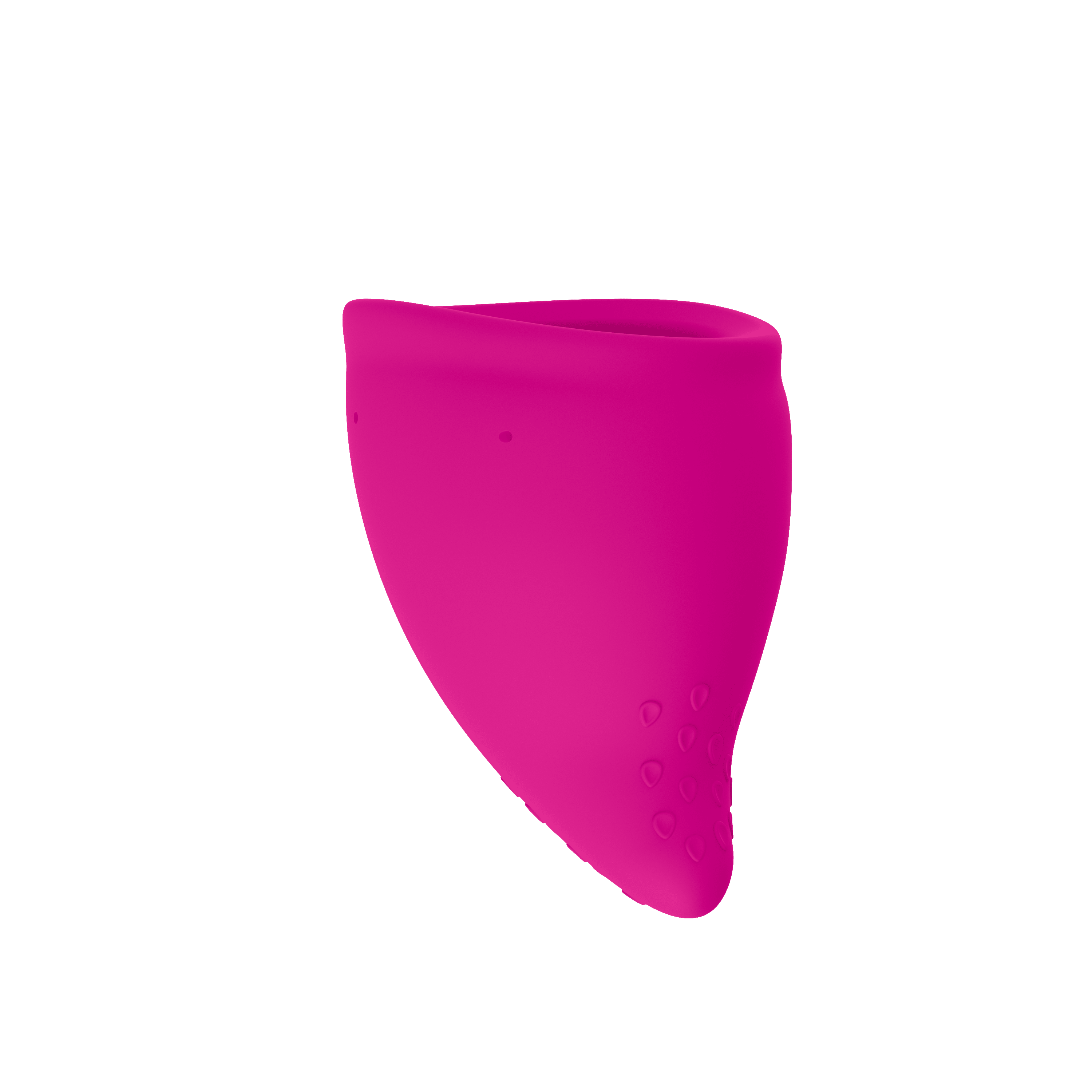
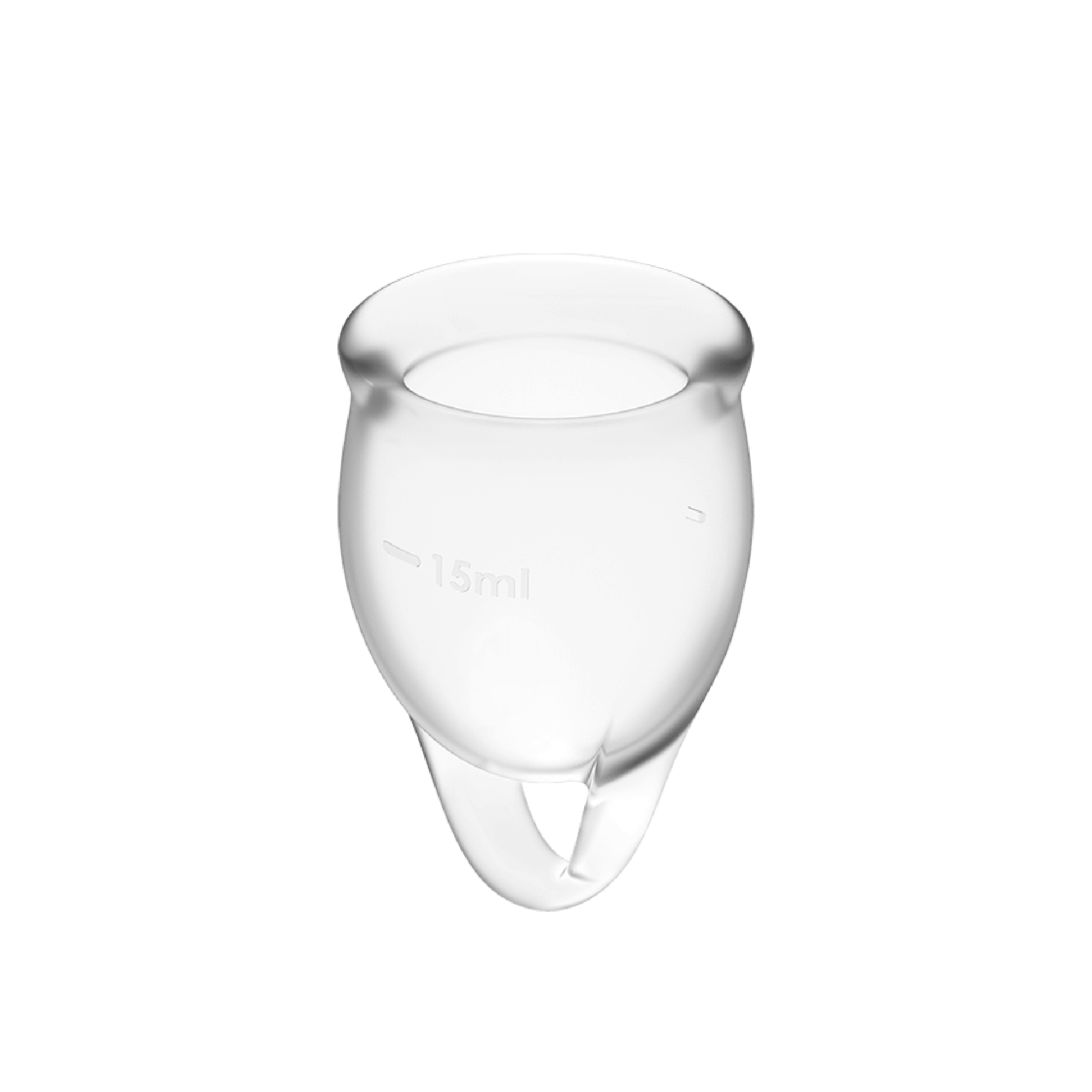
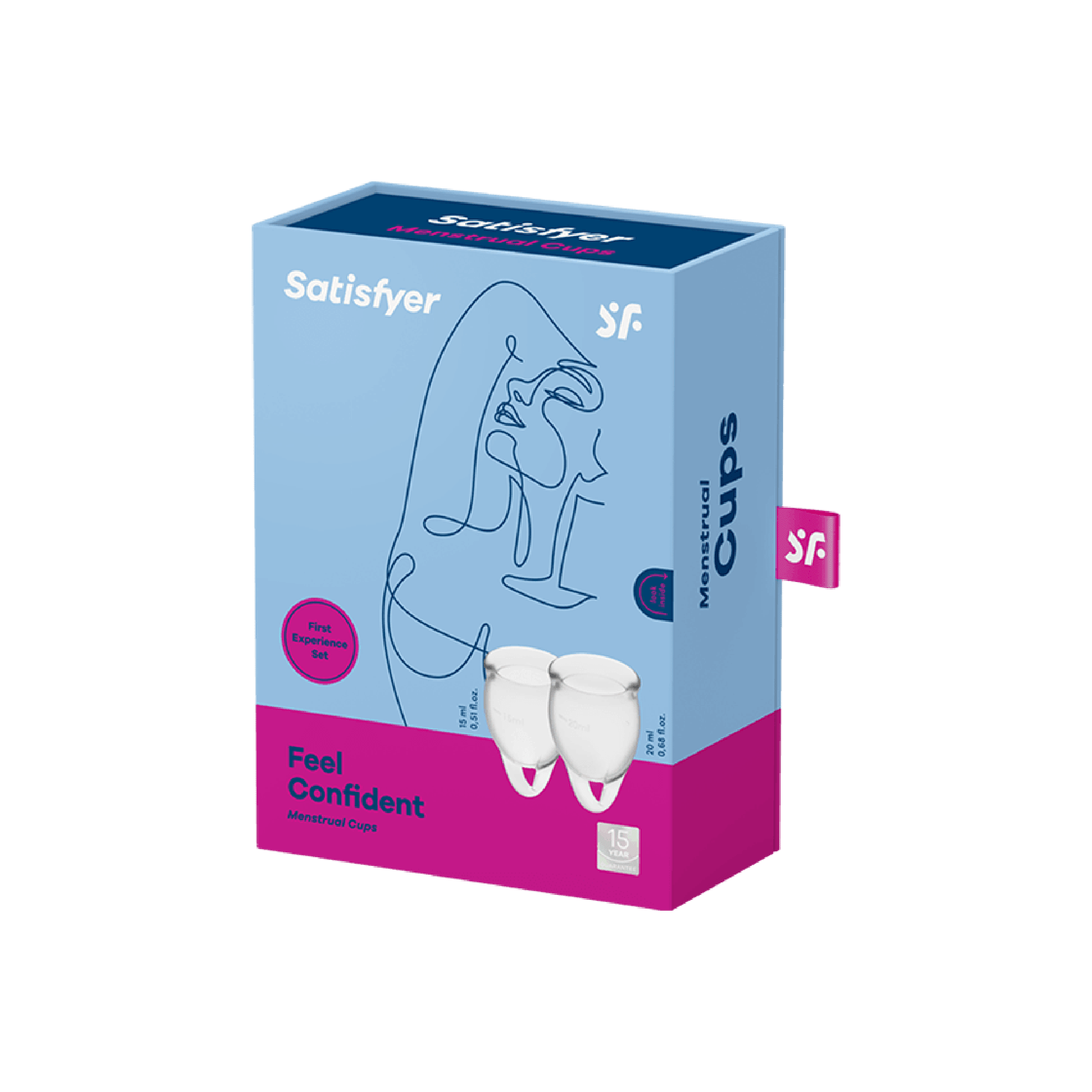
3 colors available
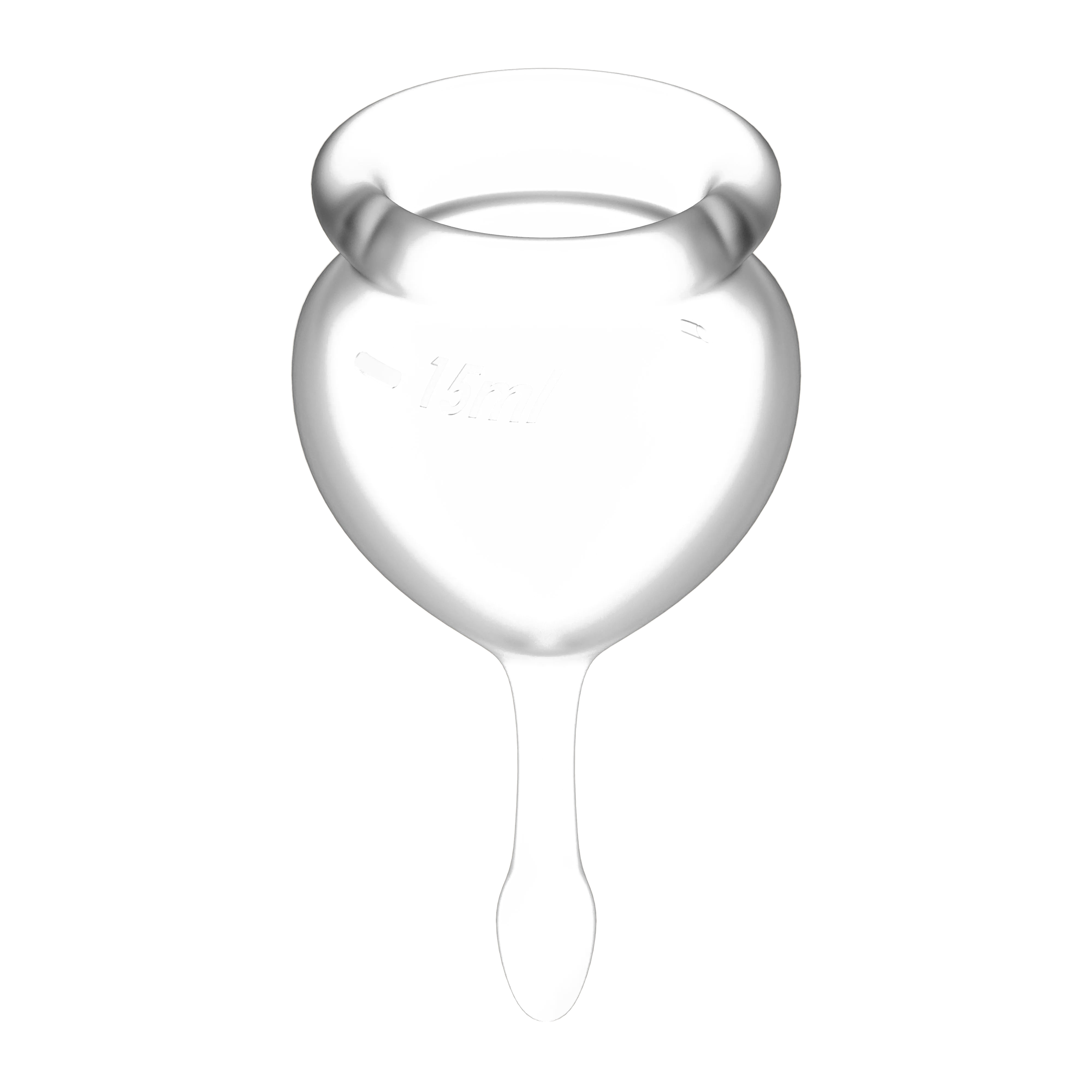
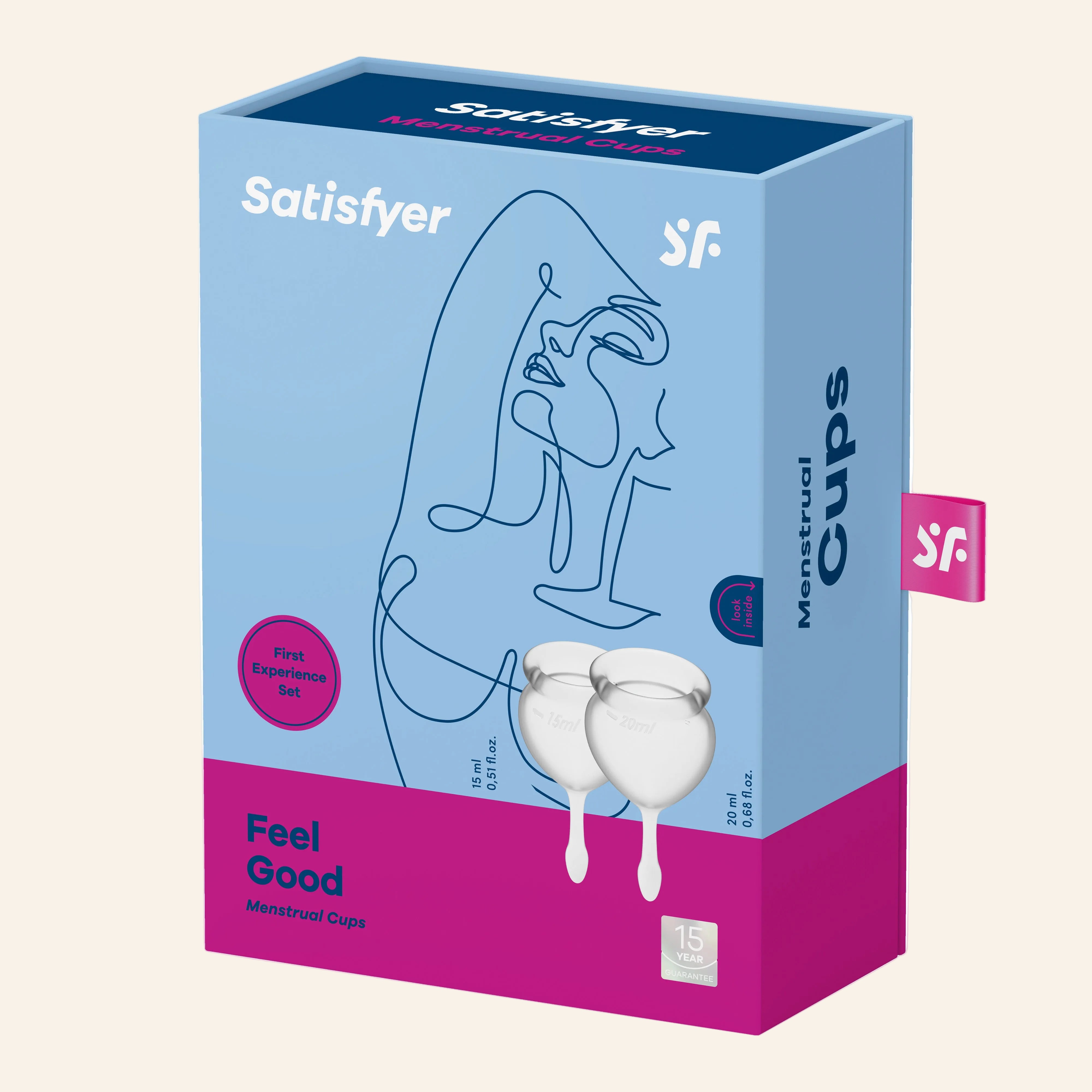
3 colors available
Frequently Asked Questions
Menstrual Cups
A sustainable menstrual cup is one of the lowest-impact period products you can choose. Because a single cup replaces an estimated 2,000 to 3,000 disposable pads and tampons over its lifespan, the reduction in plastic waste is significant.
Our cups are made from 100% medical-grade silicone with no BPA, latex, dyes, or fragrances. They arrive in minimal, recyclable packaging.
Choosing a sustainable menstrual cup is not just better for the planet — it saves money over time too, with most users recouping the cost within the first two to three cycles compared to a monthly disposable spend.
Cleaning your menstrual cup properly is the most important part of safe, comfortable use. During your period, remove the cup, empty the contents, and rinse it thoroughly with clean water. If you have access to a sink, use a mild, unscented, oil-free soap to gently wash the cup before reinserting.
Avoid scented soaps, antiseptic washes, or anything oil-based as these can degrade the silicone and disrupt vaginal pH. When cleaning your period cup in a public bathroom with no sink access, it is fine to wipe it with clean toilet paper and reinsert — then give it a proper rinse at the next opportunity.
Between periods, wash the cup with soap and water, dry fully, and store it in the breathable cotton pouch provided.
Boiling your period cup is the recommended sterilisation method at the start and end of each menstrual cycle. To boil your period cup safely, place it in a small saucepan of water and bring to a gentle boil.
Boil for 5 to 7 minutes — no longer, as extended boiling can degrade the silicone over time. Use tongs to remove the cup and allow it to cool on a clean surface before handling.
Never leave the pan unattended while boiling a period cup, and make sure there is always enough water in the pan so the cup does not touch the hot base directly.
Most brands offer two sizes, and ours are no different. Size A (smaller) suits those who have not given birth vaginally and tend to have a lighter to medium flow. Size B (larger) suits those who have given birth vaginally, have a heavier flow, or find smaller cups difficult to seal.
Cervix height is also a factor — if you have a low cervix, a shorter cup or a cup with a shorter stem may be more comfortable.
When in doubt, reaching out via our chat or email gets you a personal recommendation within a few hours.
After inserting your menstrual cup, run a clean finger around the base of the cup — it should feel rounded and open, not folded or dented. You can also grip the base and gently rotate the cup; if it turns with slight resistance, it has opened and sealed.
Some people find it helpful to insert the cup, then bear down gently with their pelvic floor muscles, which encourages the cup to pop open. If you experience leaking, the cup may not have fully opened, may be sitting too high or too low, or you may need a different size or firmness.
Most people find the technique clicks within the first two or three cycles.

Shhh… It Is Just for You
No logos, no hints, no awkward moments. Just discreet delivery.

Pleasure, Perfected
We test, research, and curate only the toys worth your time.

Here for Your Journey
Questions, guidance, curiosity… you are never on your own.